Unlocking Inner Peace: Practical Meditation Techniques for Beginners
Most people believe meditation is complicated or takes hours to master. In truth, simple practical meditation techniques can fit easily into your daily routine, even if you’re new to beginner meditation. Here, you’ll find straightforward guidance to build a mindfulness practice that supports your personal spiritual growth, step by step. Let’s explore how small moments of calm can open the door to lasting peace. For more guidance, consider visiting this helpful guide.
Simple Practical Meditation Practices
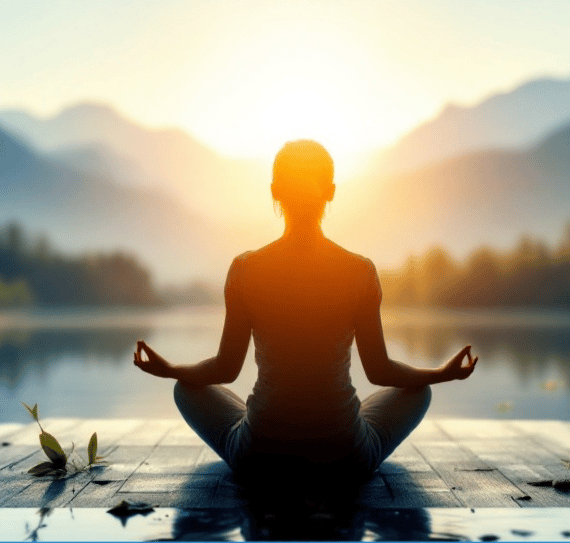
Starting with easy techniques is the key to integrating meditation into your life. They help you find calm amidst the chaos, offering a foundation for spiritual growth.
Mindful Breathing Techniques
Breathing is something you do every day without giving it much thought. Turning it into a mindful activity can be a game-changer. Start by sitting comfortably. Close your eyes gently. Take a deep breath in through your nose, counting to four. Hold it for a count of four, then slowly release it through your mouth. Repeat this cycle a few times. This simple practice can help centre your mind and reduce stress. Many find that just five minutes a day can make a noticeable difference.
Most people think that longer meditation sessions are necessary. The truth is, short, focused breathing exercises can be just as effective. You can even try this in moments of stress, like before a big meeting. As you practice, you’ll find it easier to focus and relax.
Body Scan Relaxation
Your body tells you a lot about your state of mind. A body scan can help you tune into these signals. Lie down comfortably, and close your eyes. Start by focusing on your toes. Notice any sensations without judgement. Gradually work your way up, to your legs, torso, arms, and head. This practice can take about 15 minutes. It’s perfect for unwinding before bed.
Most people think they need to ignore discomfort during meditation. Instead, acknowledging these sensations can lead to deeper relaxation. If you’re new to this, Mindful.org offers excellent guidance on body scanand practical meditation techniques.
Guided Imagery Visualisation
Visualisation can transport you to a place of peace. Imagine a scene that brings you joy—a beach, a forest, or a mountaintop. Use all your senses to make it vivid. Feel the warmth of the sun, hear the rustle of leaves, or smell the salt in the air. Spend a few minutes here, soaking in the calm.
This practice can be done anywhere, anytime. Most people believe they need to sit still to meditate. Yet, visualisation can be done during a walk or a commute. Explore more with this beginner’s guide to meditation.
Building a Mindfulness Habit
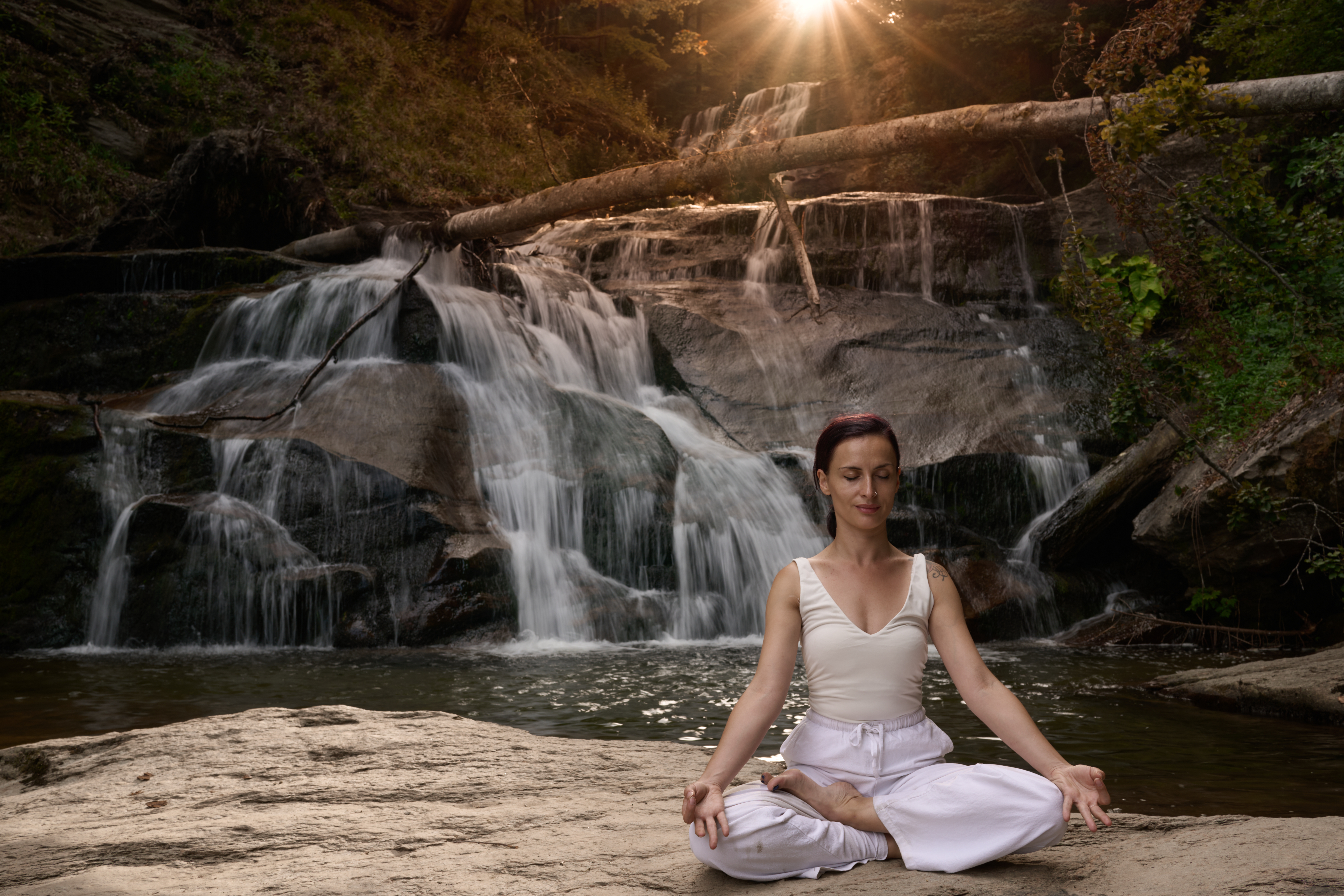
Consistency is crucial in meditation. Let’s delve into creating a routine that nurtures your spiritual journey.
Setting a Consistent Schedule
Establishing a routine is vital. Choose a time of day that suits you—morning, midday, or evening. Set a reminder or link it to an existing habit like your morning coffee. This consistency makes it easier to return to your practice daily.
Most people think meditation requires hours. Yet, starting with just five minutes a day is impactful. As this becomes a habit, you might naturally extend your sessions. This gradual approach ensures you’re building a sustainable practice.
Creating a Peaceful Environment
Your environment plays a significant role in your practice. Find a quiet spot in your home. You might want to add a cushion or a chair for comfort. Dim the lights or light a candle to set the mood. This dedicated space becomes a sanctuary over time.
Many assume they need a special room for meditation. In reality, a small, quiet corner works perfectly. Creating your personal space for meditation can enhance your practice significantly. Explore tips from NHS’s meditation guide.
Overcoming Common Challenges
Starting meditation can come with hurdles. Your mind may wander, or you might struggle with consistency. Know that this is normal. When distractions arise, gently guide your focus back. Forgive yourself for any lapses and start anew without judgement.
Most people feel they should empty their minds. However, acknowledging thoughts and letting them pass is more effective. With time, you’ll find a rhythm that works for you. For more insightful discussions on overcoming meditation challenges, visit this Reddit forum.
Building these practices can transform your daily life into a peaceful journey. The longer you wait to start, the more you miss out on these benefits. Here’s the key insight: meditation isn’t about perfection; it’s about presence. If you’re ready to deepen your practice, reach out for personalised spiritual mentoring and take the next step in your journey.