
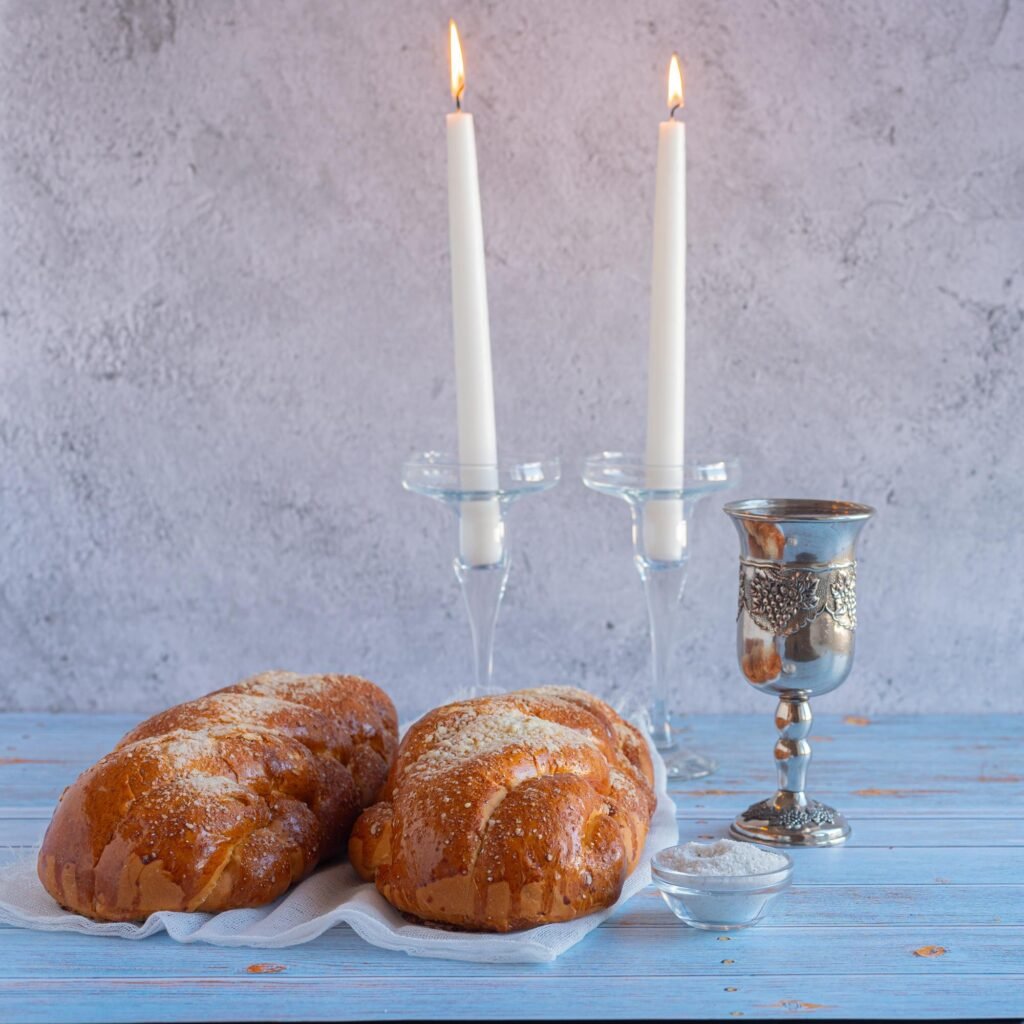
At Friday’s dusk, a single candle flickers, inviting a sacred pause that honours the rhythm of Shabbat Shalom. This weekly ritual offers more than rest—it is a moment to set down the week’s burdens, tend the inner flame, and embrace Sabbath rest as a universal pulse. Rooted in deep respect for tradition, it weaves the Sacred Flame practice with the Wheel of the Year rhythm, inviting you to a simple, inclusive spiritual rest practice that transcends boundaries. The threshold is open—enter when you’re ready.
The Sacred Pause of Shabbat Shalom
The ancient greeting of Shabbat Shalom holds a depth that invites you into a sacred pause. This pause isn’t just about rest; it’s an opportunity to reconnect with your inner self.
Unveiling the Shabbat Meaning
Shabbat Shalom, a term often heard, holds profound meaning. It’s a call to peace and rest, echoing through Jewish tradition. At its core, it’s about taking a moment to breathe. Most people think it’s just a break, but it’s more—a chance to reflect and recharge. The concept reminds you that the world continues, even as you pause. This idea has roots in ancient times, offering a moment to step back, reflect, and find balance.
For a deeper understanding, explore the meaning of Shabbat Shalom.
Candle at Dusk: A Gentle Ritual
As Friday dusk arrives, lighting the Sabbath candles begins your ritual. This act is simple yet profound, marking the transition from the everyday to the sacred. The glow of the candle invites you into a space of calm. Imagine the flicker of the flame, a gentle reminder that this moment is yours. This ritual is not just symbolic; it’s a practice of presence. You light the candle, and in doing so, you illuminate your path to peace. The candle becomes a beacon, guiding you to the heart of rest.
Sabbath Rest: Tending the Inner Flame
Sabbath rest is about more than physical relaxation. It’s a practice of tending to your inner flame. This flame is your essence, often overshadowed by daily life. By pausing, you nurture this inner light. You’re not just resting; you’re rejuvenating. This rest is a gift you give yourself, a sacred moment to honour your spirit. It’s an invitation to let go of the week’s weight, to simply be. As you rest, remember: this is your time to shine from within.
Weaving Traditions: A Unified Path
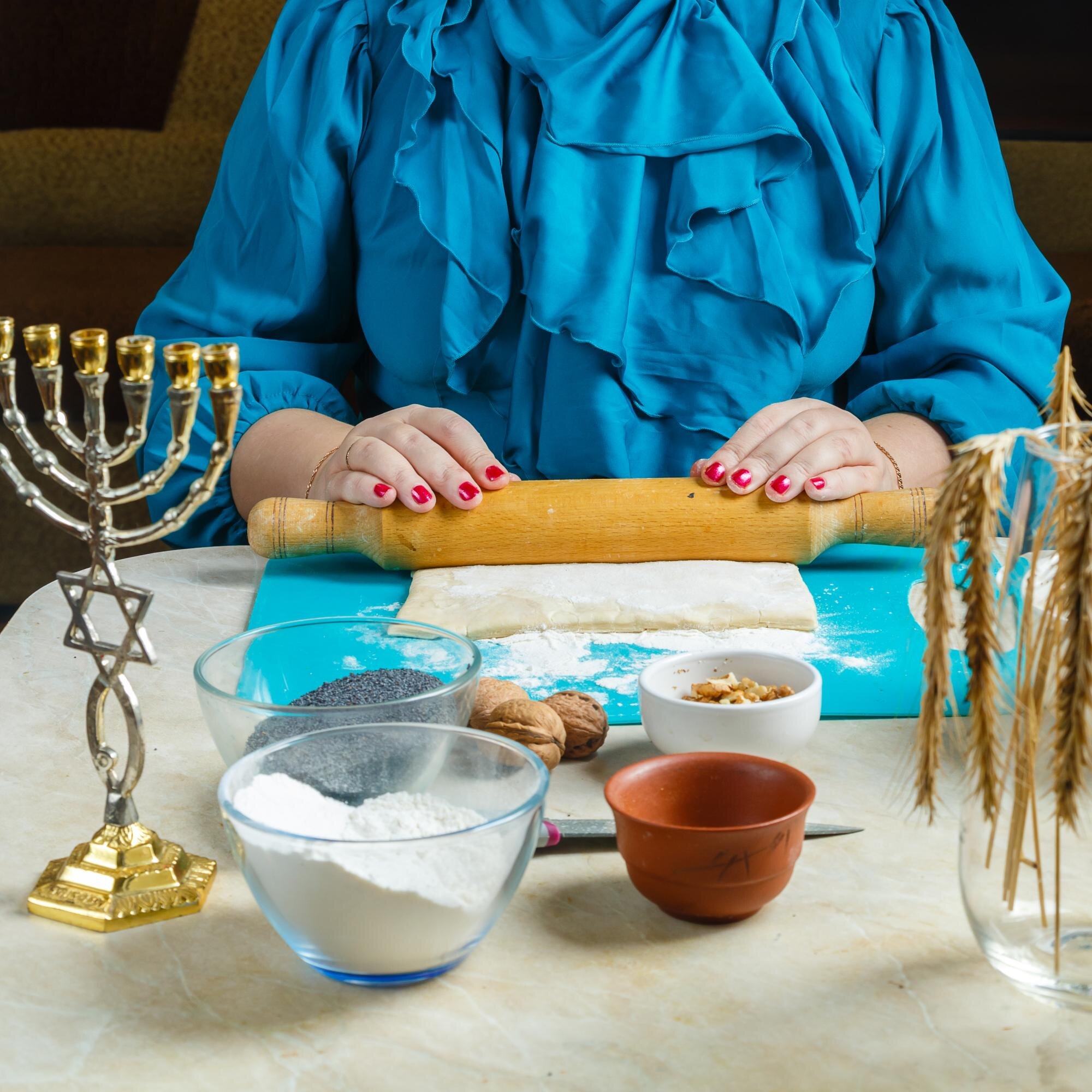
Different traditions offer unique insights into rest and reflection. Here, we explore how these paths converge, enriching your journey.
Druidry and Rhythm: Embracing the Wheel
In Druidry, the Wheel of the Year provides rhythm and structure. It aligns with nature’s cycles, offering a path to balance. This rhythm reminds you of life’s ebb and flow. By embracing the Wheel, you find a natural cadence to life. It’s not just about marking time; it’s about living in harmony with nature. This connection grounds you, offering stability amidst chaos. The Wheel invites you to celebrate life’s seasons, each with its lessons and gifts. For more insights, read about Pagan Sabbats Explained.
Buddhist Non‑Doing: An Invitation to Ease
Buddhism introduces the concept of non-doing, a practice of simply being. This approach challenges the constant push to do more. It invites you to embrace ease, to find peace in stillness. Most people think action is progress, but non-doing shows that presence is powerful. This practice is liberating, offering freedom from the need to always achieve. It’s about being present, fully experiencing each moment without judgment. Non-doing encourages you to let go, to trust in the simplicity of being.
Western Mystery Traditions: Consecrated Time
Western mystery traditions teach the value of consecrated time, moments set apart for spiritual work. These traditions invite you to create sacred spaces in your life. Consecrated time is intentional, a choice to honour the sacred within. It’s a practice of dedication, of carving out time to connect with the divine. This commitment transforms ordinary moments into opportunities for spiritual growth. You learn to see the sacred in the mundane, to find wonder in everyday life. By dedicating time to reflection, you deepen your connection to self and spirit.
A Simple Practice for Sacred Rest

Engage in practices that invite sacred rest into your life. These rituals are simple yet profound, guiding you toward peace.
Friday Dusk Ritual: Lighting the Way
Begin your sacred rest with a Friday dusk ritual. Light a candle, marking the start of your pause. This act is both symbolic and practical. The candle’s light guides you, creating a space of warmth and reflection. You’re not just lighting a candle; you’re setting the tone for rest. This ritual invites you to leave the week behind, to step into a space of peace. It’s a moment of transition, a gentle nudge toward quiet and calm.
Sacred Flame Practice: Blessing and Bread
The Sacred Flame practice involves blessing and sharing bread. This ritual is simple yet deeply meaningful. As you break bread, you connect with those around you. It’s a practice of gratitude, a moment to give thanks for life’s blessings. This act strengthens bonds, fostering community and connection. Most people think rituals are complex, but this simplicity is its power. The blessing becomes a reminder of abundance, the bread a symbol of shared life. This practice grounds you in gratitude, inviting abundance into your life.
Spiritual Rest Practice: Finding Peace in Stillness
Finding peace in stillness is the heart of spiritual rest. This practice encourages you to embrace quiet, to sit in the presence of your own thoughts. It’s about letting go of the noise, finding clarity in calm. This stillness is not emptiness; it’s fullness. You find richness in the pause, depth in the silence. Spiritual rest invites you to listen, to hear the whispers of your soul. It’s a practice of being, not doing, and in this being, you find profound peace.

