

The question “Is Christmas pagan?” stirs deep curiosity and quiet wonder each midwinter. Beneath the familiar carols and candlelight lies a rich weave of Yule’s old fire, Saturnalia’s revels, and the birth of light in the dark. Here, Christian and pre-Christian streams meet without clash, inviting you to kindle your own sacred flame through simple, time-honoured practices. Step gently into this shared mystery and find your place at the turning of the year. For further exploration on the origins of Christmas, this article might be of interest: [https://ca.thegospelcoalition.org/article/christmas-isnt-pagan/]
Shared Midwinter Roots
At the heart of midwinter lies a tapestry woven from various traditions, each contributing to what we now celebrate as Christmas. These roots offer a glimpse into how different cultures celebrate the turning of the year.
Yule and Christmas Traditions
Yule, a festival celebrated by ancient Germanic peoples, marks the rebirth of the sun. This celebration later intertwined with Christmas traditions. During Yule, communities would gather, exchanging stories and gifts. The practice of decorating with evergreens, like holly and mistletoe, originates from these celebrations, symbolising eternal life.
As Christianity spread, these customs blended with the Nativity story. The convergence of Yule and Christmas reflects a shared longing for light in the darkest time of year. By honouring both traditions, we recognise the depth of human celebration across ages.
Saturnalia and Christmas Celebrations
Saturnalia, the Roman festival honouring Saturn, was a time of feasting and revelry. Celebrated in December, it was marked by the reversal of social roles and gift-giving. This period of merrymaking had a lasting influence on Christmas customs.
As Christianity emerged, these lively festivities were reimagined. The spirit of joy and community found in Saturnalia echoes in modern Christmas celebrations. By integrating such traditions, early Christians created a holiday that honoured both new and old beliefs.
Mithras and Midwinter Connections
The cult of Mithras, popular among Roman soldiers, celebrated the birth of Mithras on December 25th. This date was later adopted for Christmas, illustrating how early Christianity absorbed diverse traditions.
Mithras represented light conquering darkness, a theme also present in the Nativity story. This shared symbolism highlights human fascination with renewal and hope. Understanding this connection enriches our appreciation of midwinter’s spiritual depth.
Symbols and Practices
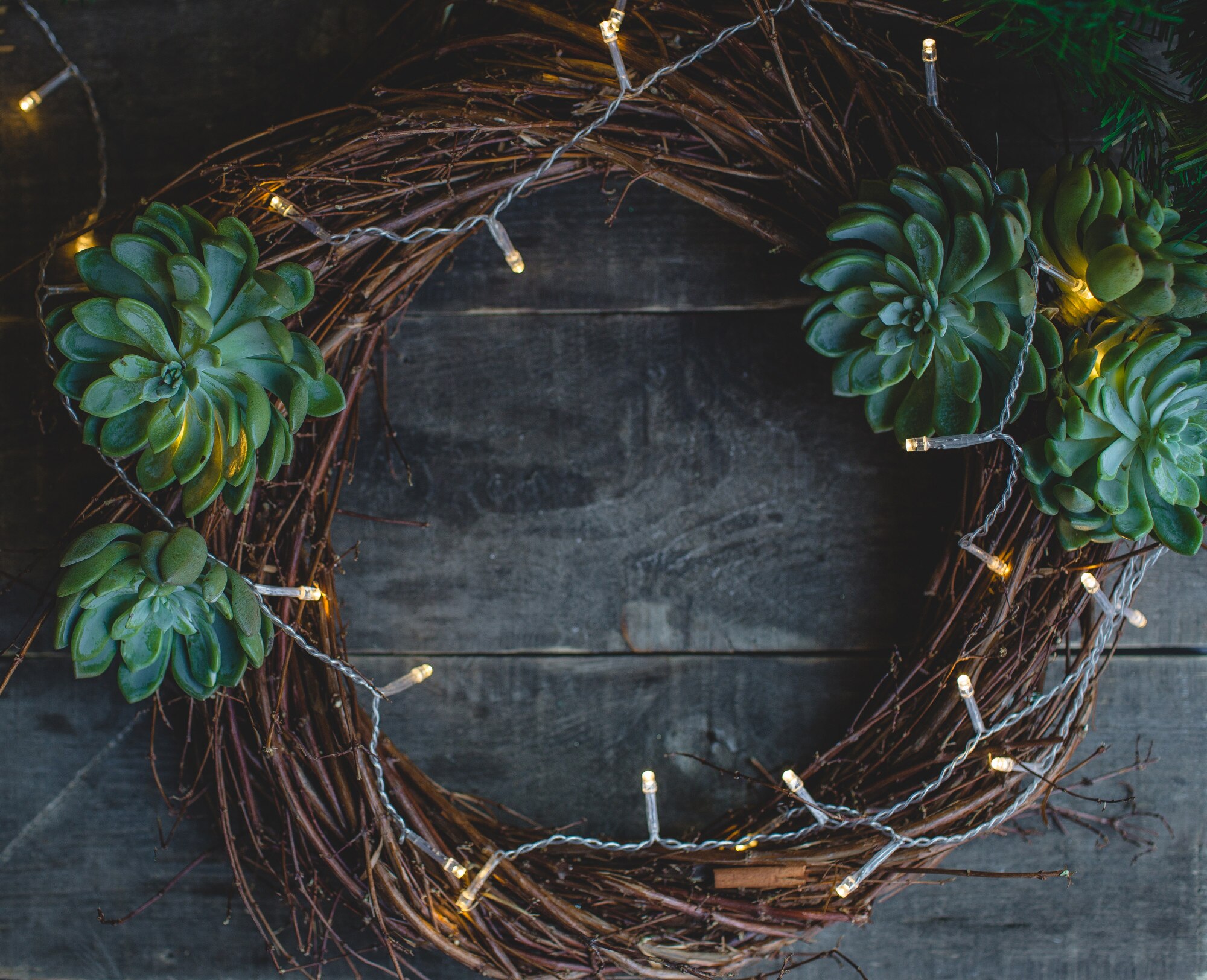
Symbols hold power and meaning, connecting us to ancient practices. Exploring these symbols can deepen our understanding of midwinter traditions.
The Yule Log Meaning
The Yule log, traditionally burned on the hearth, symbolises the sun’s return. Families would keep a piece of the previous year’s log to kindle the new fire, representing continuity and renewal. This custom reminds us of the cycles of nature and the warmth of community.
In modern times, the Yule log continues to inspire. Whether burning a log or lighting a candle, the act invites reflection and connection. It encourages us to honour the past while welcoming the future.
Evergreen Symbolism in Midwinter
Evergreens, such as fir and pine, are symbols of life enduring through the winter. Their presence in midwinter celebrations represents resilience and hope. Decorating homes with these plants brings nature’s vitality into our lives.
These symbols invite us to consider our own strength and perseverance. By bringing evergreens into our spaces, we connect with ancient wisdom and nature’s enduring spirit.
Father Christmas Origins and St Nicholas Traditions
Father Christmas, a figure embodying the spirit of giving, has roots in St Nicholas traditions. St Nicholas, known for his generosity, inspired the modern Santa Claus. His story of secret gift-giving captures the essence of compassion and kindness.
This tradition encourages us to embrace the joy of giving, nurturing our connections with others. By embodying these values, we participate in a timeless celebration of human generosity.
Midwinter Rituals and Reflections
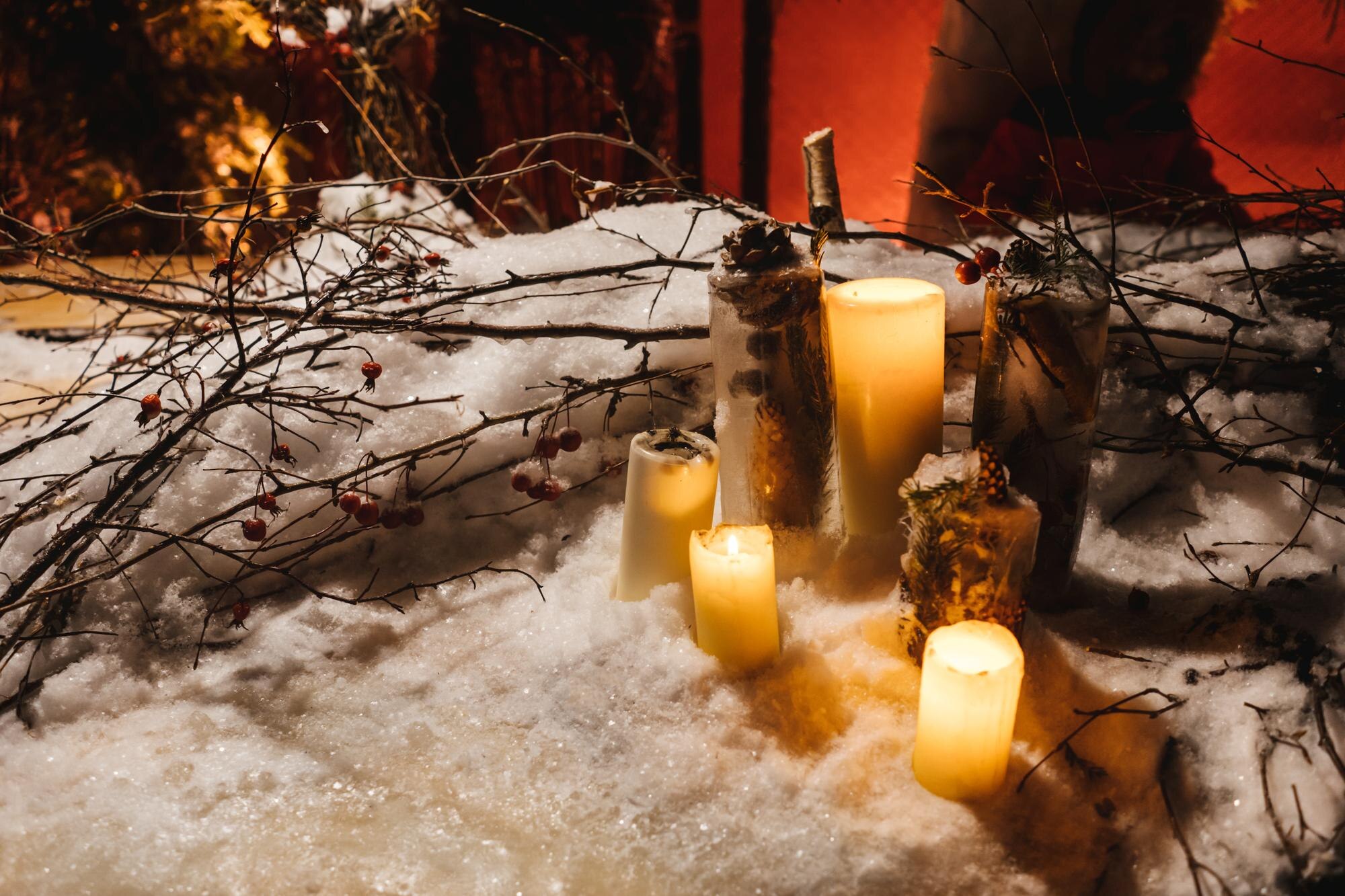
Midwinter offers an opportunity for introspection and ritual, allowing us to align with the season’s rhythms.
Solstice Candle Vigil and Sacred Flame Practice
Lighting candles during the winter solstice symbolises inviting light into the darkness. A sacred flame practice can be a simple yet profound ritual. By meditating on the flickering light, we find inner peace and clarity.
This practice encourages a moment of stillness, offering space for reflection. It reminds us of the light we carry within, even in challenging times.
Honouring Ancestors at Yule
Yule is a time to honour ancestors, recognising their influence on our lives. Creating a small altar with photos or mementos can be a meaningful way to remember them. Sharing stories of their wisdom and resilience strengthens our connection to the past.
This ritual fosters gratitude and continuity, grounding us in our heritage. It invites us to reflect on the legacy we wish to leave for future generations.
Folk Customs of Christmas and the Wheel of the Year
Many Christmas customs have roots in the Wheel of the Year, a cycle of seasonal festivals. Each festival offers unique insights and practices. By aligning with these rhythms, we find harmony with nature.
Exploring these customs can enrich our celebration of Christmas, deepening our connection to the natural world. This synthesis of traditions invites a holistic understanding of midwinter’s spiritual significance.
Frequently Asked Questions
Is Christmas a pagan holiday?
Christmas has roots in pagan traditions, such as Yule and Saturnalia. These celebrations were later integrated into Christian customs. Understanding this blend enriches our appreciation of both cultural and spiritual aspects.
What is the significance of the Yule log?
The Yule log symbolises the return of the sun and the warmth of community. Burning the log is a ritual of continuity and renewal, connecting us to nature’s cycles.
How do evergreens feature in midwinter celebrations?
Evergreens represent resilience and hope, enduring through winter’s challenges. Their presence in celebrations symbolises life and vitality, bringing nature’s spirit into our homes.
For more insights on the origins of Christmas, explore this article on the history of Christmas.

